

Wat Buddha : ค้นหาหนังสือธรรมะ หน้า 7 / 12
หน้าหนังสือทั้งหมด
104
The Dhammakaya Tradition and Luang Phaw Wat Paknam
practice of the Middle Way until attaining levels of Buddhist
sainthood according to their potential. All the evidence that
is left by some Buddhist saints is their scriptural testimo-
nies, but some
The practice of the Middle Way leads to various levels of Buddhist sainthood according to individual potential. Luang Phaw Wat Paknam, the prominent monk who discovered the Dhammakaya Tradition, is re
44
No Input Provided
could manage to achieve it. Sensation, memory, thought and cognition: all these things must be united into one single spot. Once the mind is still, it ceases to be. Once it ceases to be, the new one c
No summary available due to lack of content.
204
The Benefits of Contributing Buddha Images
benefits in contributing for a Buddha image. We now
understand why our ancestors focused on this moral
contribution.
My own grandmother understood the benefits of
contributing a Buddha image, as she d
Contributing a Buddha image is a noble act that enhances personal merit and offers peace in the afterlife. The practice stems from understanding the teachings of our ancestors, who recognized the imme
44
Qualities of a Stream-Attainer in Buddhism
mentioned in the canon.40
The title ‘son of the Blessed one’ suggests that, through the
Buddha, the person was (re)born to the same plane (bhūmi) to which
the Buddha belongs, i.e., passing beyond the
This text delves into the characteristics of a Stream-attainer, identified as a noble disciple who is reborn to a transcendental plane through the Buddha's teachings. Key qualities include association
67
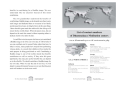
Understanding Dhammakāya in Relation to Paccekabuddhas and Enlightenment
early texts that 'dhammakāya' must be singular. 100 In any case, the verse conveys the meaning that a Paccekabuddha has dhamma(s) as his body (or bodies), where 'dhammas' refers to the qualities perta
This study analyzes the term 'dhammakāya' and its relation to enlightenment. Dhammakāya is presented as a singular concept applying to both the Buddha and Paccekabuddhas, emphasizing that 'dhamma' ref
75
Dhammakāya and the Previous Buddha
VII. Reference 4: Dhammakāya and Previous Buddha
Another Pāli passage that shows the relation of dhammakāya with the Buddha is found in the Atthasandassakathera-apadāna. But here the narrative relates
บทความนี้วิเคราะห์ความสัมพันธ์ของคำว่า Dhammakāya กับพระพุทธเจ้าในพระอัฏฐสังคษา โดยมีการเล่าถึงชีวิตของพระอรหันต์ Atthasandassaka ที่มีความคิดถึงพระพุทธเจ้า Padumuttara และการยกย่องพระพุทธเจ้าในบทกวีส
80
Understanding Dhammakāya and its Significance in Buddhism
mental qualities128 or purity,129 or identifies it with realities to be
attained or experienced spiritually by noble disciples through the
penetration of the noble paths.130 In one instance, he connec
This text examines the term dhammakāya as articulated by Buddhaghosa, linking it to spiritual realities and teachings of the Buddha. It highlights the role of dhamma-vinaya as a guiding principle and
101
Understanding the Pāli Verses and Buddhist Doctrine
The Text
The first nine leaves are inscribed with Pāli verses and a commentary in Tai Yuan.4 The final leaf of the manuscript is an addendum, inscribed with a stanza of the Dvatiṃsa-mahāpuruśa-lakkhaṇ
The manuscript presents Pāli verses and commentary in Tai Yuan, summarizing Buddhist doctrines about the Buddha's physical body and wisdom. It includes thirty stanzas highlighting qualities like divin
106
Meetings with a Dhammakaya Master
Meetings with a Dhammakaya Master
discovered the Law of Kamma. He was not the creator of the Law, but the re-discoverer of the Law of Kamma. All beings who do evil or wrong things will discover the L
In this enlightening session, the Dhammakaya Master discusses the Law of Kamma as a re-discovery, guiding individuals to see their actions' consequences through meditation. The Buddha's enlightenment
111
The Path to Self-Development and Ethical Living
Suzanne Jeffrey
tions, although in the beginning of our life, when we are developing our habits, our six
directions give us total input - in other words, we are in-taking all the information that
wil
This text discusses the importance of self-development through six directions, emphasizing the role of ethical living and the teachings of Buddha in understanding one's mind and actions. It highlights
37
The First Monk Ordained by the Buddha: Kondanna
The first monk ordained by the Buddha personally, was Kondanna. He was the first of Lord Buddha's disciples, and Buddhism's first monk. He was ordained following Lord Buddha's first Sermon entitled th
The first monk ordained by the Buddha, Kondanna, was the first disciple who became a Stream-enterer after the Buddha's first sermon in Isipatana. This sermon allowed him to see the Dhamma. The Buddha
58
Chanting and Meditating in Buddhism
4. Chanting and Meditating
When the Buddha was alive, his disciples could listen to him preach and extol the virtues of the Dhamma everyday. However, after the Buddha passed away from this world, his
After the Buddha's passing, his disciples engaged in chanting and meditation to keep the teachings of Dhamma alive. Vatta involves chanting in homage to the Triple Gem: the Buddha, the Dhamma, and the
16
The Tale of the Trapped Monks
14
2 Story of Three Groups of Persons
A group of seven monks also went to pay homage to the Buddha.
On the way, they enquired at a monastery and they were directed to a cave, and there they spent the
This tale narrates the experience of seven monks who spent a night in a cave and were trapped for seven days after a boulder blocked the entrance. They were eventually freed and sought the Buddha's wi
48
The Story of Mattakundali
46 Clear-minded Youths - 5 The Story of Mattakundali
On that morning, the Buddha arising early from his deep meditation of compassion saw, in his Net of Knowledge, Mattakundali lying on the verandah.
In this narrative, the Buddha notices Mattakundali, a weak youth, during his morning alms round. Despite his frail condition, Mattakundali expresses faith in the Buddha mentally. Upon passing, he is r
56
Invitation to the Buddha
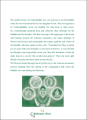
The mother-in-law of Culasubhadha was very anxious to see the Buddha when she was told about him by her daughter-in-law. She even agreed to let Culasubhadha invite the Buddha for alms-food to their ho
Culasubhadha's mother-in-law eagerly anticipates an audience with the Buddha after hearing about his virtues. In a heartfelt gesture, Culasubhadha prepares offerings for him and invites him to their h
58
The Good and the Wicked: A Buddha's Discourse
At the end of the discourse, Anathapindika, the father of Culasubbhadda, approached the Buddha to invite him to have alms-food in his house the following day. But the Buddha replied that he had alread
In a profound dialogue, Anathapindika invites the Buddha for alms, but the Buddha declines, stating a prior commitment to Culasubbhadda. Confused, Anathapindika points out the geographical distance. T
68
The Transformation of a Hunter's Heart
When her husband heard her words, he thought, 'This must be my
father-in-law', and her sons thought, 'This must be our grandfather'; and
thoughts of loving-kindness came into them. Then the lady said
This narrative explores how the Buddha's teachings transformed the thoughts of a hunter and his family. When the hunter's wife urged compassion, thoughts of loving-kindness emerged in the minds of the
15
Understanding the Dhammacakka Pavattana Sutta
be practised by anyone, giving access to the highest attain- ments — even attainments on a par with that of the Lord Buddha himself.
That the Buddha was able not only to understand Dhamma teachings, b
The Dhammacakka Pavattana Sutta serves as the foundational teaching of Buddhism, delivered by the Buddha to the group of five monks. It encapsulates essential principles that are crucial for anyone wi
20
The Journey of Enlightenment: The Buddha's Reflections
1
Overview
Introduction
After the Enlightenment which transformed Siddhartha Gotama into the Lord Buddha beneath the Bodhi tree on the banks of the River Nerañjāra, Bodhgavā on the full moon night of
After achieving Enlightenment under the Bodhi tree, the Buddha spent 28 days in contemplation to absorb the bliss and understand the Dhamma. With encouragement from Brahmā Sahampati, he decided to sha
151
The Tale of the Ogres and the Boy
ogre said to the other that they ought to eat the boy up,
but the other ogre forbade him. The False View ogre ig-
nored the warning and grabbed the boy’s feet, waking
him. The boy was startled and exc
In this tale, two ogres discuss eating a boy but are interrupted when the boy wakes. The True View ogre insists they help him instead. They transform into the boy's parents to bring him food and leave